Hotels With the Most Impressive Lobby Designs
Hotels With the Most Impressive Lobby Designs invite travelers to experience the perfect blend of aesthetics and functionality right from the moment they step inside. The lobby serves as a hotel’s first impression, setting the tone for a guest’s entire stay. With unique architectural features and carefully curated decor, these lobbies not only reflect the identity of the hotel but also enhance the overall guest experience.
In the world of hospitality, the significance of impressive lobby designs cannot be overstated. From luxurious materials to innovative layouts, the key elements of these spaces play a crucial role in influencing how guests perceive their surroundings. As we delve into the fascinating aspects of lobby design, you’ll discover how cultural influences, current trends, and even future predictions shape the entryways to some of the world’s most iconic hotels.
Introduction to Impressive Lobby Designs
Lobby designs play a critical role in the hospitality industry, serving as the first point of interaction between guests and the hotel. The ambiance and aesthetic appeal of a lobby can significantly influence a guest’s overall perception of a hotel, setting the tone for their entire stay. From grand chandeliers to minimalist decor, the design elements incorporated in a lobby not only make a lasting impression but also reflect the hotel’s brand identity and values.Creating an inviting atmosphere through lobby aesthetics can enhance the guest experience in multiple ways.
A well-designed lobby can evoke feelings of comfort, luxury, or modernity, allowing guests to feel welcome and relaxed. Additionally, various design features—such as seating arrangements, art installations, and lighting—can encourage social interaction among guests, fostering a sense of community. A thoughtfully curated lobby is not just a waiting area; it is a space that can inspire and elevate the emotions of those who enter.
The Importance of First Impressions
First impressions are crucial in the hospitality sector, as they often shape a guest’s expectations and experiences. A lobby that exudes warmth and professionalism can ensure that guests feel valued from the moment they arrive. Below are key elements that contribute to making a powerful first impression:
- Architectural Design: The structural features of a lobby, such as high ceilings and open spaces, can create a sense of grandeur that impresses upon arrival.
- Color Scheme: The choice of colors can evoke different emotions; for instance, warm tones may offer comfort, while cool colors can provide tranquility.
- Furniture Selection: Comfortable and stylish furniture not only enhances the aesthetic appeal but also encourages guests to linger, enhancing their experience.
- Lighting: Strategic lighting can highlight key areas of the lobby, creating a welcoming atmosphere while also emphasizing design elements.
- Art Installations: Unique art pieces can serve as conversation starters and contribute to the hotel’s identity, making the lobby memorable.
A thoughtfully designed lobby can bridge the gap between a guest’s initial expectations and their subsequent experiences. By considering these elements, hotels can ensure that their lobbies not only attract attention but also leave a lasting impression long after guests have checked out.
“An aesthetically pleasing lobby can transform a mundane arrival into an extraordinary experience.”
Elements of Impressive Lobby Designs
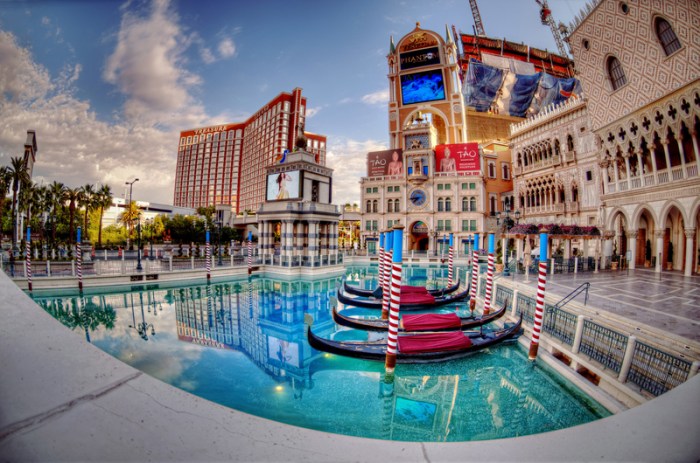
Source: goodfreephotos.com
The lobby of a hotel is not just an entry point; it serves as a first impression and sets the tone for the entire guest experience. Impressive lobby designs combine aesthetics, functionality, and ambiance to create a welcoming atmosphere. Each element within the lobby plays a crucial role in providing comfort and elegance, making it stand out among competitors.One of the defining characteristics of an impressive lobby design is the use of high-quality materials that evoke luxury.
Common materials employed in luxurious hotel lobbies include marble, glass, and fine wood. Each of these materials contributes to an overall feeling of sophistication and durability. For instance, marble flooring can create a visually striking effect with its unique patterns, while expansive glass walls allow for natural light to flood the space, enhancing the overall ambiance. Additionally, polished wood accents can add warmth and texture, balancing the coldness of stone and glass.
Key Features in Lobby Design
When it comes to lobby design, several key features contribute to its overall appeal. Understanding these elements helps in appreciating what makes a lobby not just functional, but also stunning.
- Lighting: Thoughtful lighting design can transform a lobby, highlighting architectural features and creating mood. From chandeliers to recessed lighting, the right light can enhance the space dramatically.
- Furniture: Luxurious, comfortable seating arrangements invite guests to linger. High-end lounges and bespoke sofas often incorporate unique designs that reflect the hotel’s character.
- Artwork and Installations: Unique art pieces or installations can serve as focal points, adding a personal touch and reflecting local culture or the hotel’s theme.
- Greenery: Incorporating plants and flowers can infuse life into the lobby, promoting a sense of tranquility and well-being for guests.
The importance of space and layout in lobby design cannot be overstated. An intelligently designed layout facilitates movement and interaction among guests while providing areas for relaxation and socialization. Open, airy spaces tend to feel more inviting and can help reduce congestion, especially during peak check-in times. For example, a well-planned lobby might include separate zones for lounging, checking in, and dining, ensuring that each function is accommodated without interfering with the others.
“A well-designed lobby should reflect the essence of the hotel, balancing beauty and functionality while providing a seamless guest experience.”
Famous Hotels with Iconic Lobby Designs

Source: wikitravel.org
The lobby of a hotel often serves as the first impression for guests, setting the tone for their entire stay. Iconic hotel lobbies not only provide a warm welcome but also reflect the unique architecture and design philosophies of their respective establishments. Below are notable hotels known for their exceptional lobby designs, each showcasing a distinctive style that captivates visitors from the moment they step inside.
Hotels Renowned for Their Lobby Designs
The following hotels are celebrated for their stunning lobbies, which embody a blend of artistic vision and architectural innovation.
- Ritz Paris, France: The lobby of the Ritz Paris is a stunning representation of French elegance. The baroque-inspired design features ornate chandeliers, grand mirrors, and plush seating, offering an air of sophistication that reflects the hotel’s rich history since 1898.
- The Savoy, London, UK: Known for its luxurious Art Deco style, The Savoy’s lobby showcases a blend of contemporary and classic aesthetics. The grand entrance, adorned with marble floors and a stunning ceiling, creates a lively yet intimate atmosphere, inviting guests to relax and enjoy.
- Marina Bay Sands, Singapore: The lobby at Marina Bay Sands is iconic for its modern and futuristic design. With towering ceilings and a striking infinity pool that seems to spill into the lobby area, this space exemplifies cutting-edge architecture that is both visually stunning and functional, catering to a cosmopolitan clientele.
The Ritz Paris features an intricate design that speaks to the opulence of its surroundings. Guests are enveloped in an environment filled with classical French decor, where every detail tells a story of luxury. In contrast, The Savoy utilizes its Art Deco aesthetics to create a space that feels both historic and fresh, maintaining a balance that appeals to a diverse range of guests.Marina Bay Sands takes a different approach, embracing contemporary design that highlights innovation.
Its lobby is not just a transitional space but a destination in itself, with its architectural elements making a bold statement about modern luxury. The lobbies of these hotels not only serve practical purposes but also create a sense of wonder and elegance that enhances the overall guest experience.
“The lobby is the heartbeat of the hotel, where first impressions are made and memories begin.”
Trends in Lobby Design
In the world of hospitality, lobby designs are evolving rapidly to create welcoming, functional, and immersive experiences. Modern hotel lobbies are no longer just transitional spaces; they are becoming vital components of the guest experience, reflecting the brand’s identity and values. Current trends in lobby design emphasize creativity, technology integration, and sustainability, ensuring that these spaces captivate guests from the moment they step inside.The influence of technology in lobby design has reshaped the way guests interact with hotel spaces.
Digital signage, interactive kiosks, and smart lighting systems are becoming commonplace, enhancing both aesthetics and functionality. For instance, the incorporation of augmented reality (AR) can offer guests virtual tours of the hotel or local attractions, while touchless check-in systems streamline the arrival process. Such technological advancements not only improve efficiency but also create an engaging atmosphere that resonates with tech-savvy travelers.
Technology Integration in Lobby Experiences
The growing emphasis on technology in lobby design enhances guest interactions and improves operational efficiency. Here are key aspects of how technology is reshaping lobby experiences:
- Smart Check-In and Mobile Integration: Many hotels are adopting mobile apps that allow guests to check in and access their rooms using their smartphones, reducing waiting times at the front desk.
- Digital Information Displays: Digital screens provide real-time information about hotel amenities, local events, and weather updates, enhancing guests’ awareness and engagement.
- Interactive Art Installations: Incorporating digital art pieces that respond to guests’ movements or touch can create a unique visual experience that captures attention and fosters a sense of wonder.
- Personalized Lighting and Climate Control: Advanced sensor systems enable adjustments in lighting and temperature based on occupancy and time of day, ensuring a comfortable environment that can adapt to guests’ preferences.
Sustainability is another significant trend influencing lobby design. As eco-conscious travelers become more prevalent, hotels are rethinking their approach to lobby spaces by incorporating sustainable materials and energy-efficient systems. The focus is on creating environments that not only appeal to guests but also minimize ecological footprints.
Sustainability in Lobby Design Concepts
The integration of sustainable practices in lobby design is essential to meet the demands of environmentally aware customers. Here are some prominent features and initiatives that highlight a commitment to sustainability in hotel lobbies:
- Use of Recycled and Locally Sourced Materials: Many hotels are opting for furniture, flooring, and décor made from recycled materials or sourced from local artisans, promoting community support and reducing transportation emissions.
- Energy-Efficient Lighting: LED lighting and smart systems reduce energy consumption while providing effective illumination, contributing to lower operational costs and a smaller carbon footprint.
- Green Spaces and Indoor Gardens: Incorporating plants and natural elements can improve air quality, enhance aesthetics, and create a calming atmosphere that resonates with nature, making the lobby inviting and refreshing.
- Water Conservation Systems: Innovative water features are designed to minimize water usage while still providing aesthetic appeal, reflecting a commitment to resource conservation.
As lobby designs continue to evolve, the incorporation of technology and sustainable practices will play a crucial role in creating memorable experiences for guests, ensuring that hotel lobbies are not just functional spaces but vibrant showcases of the hotel’s identity and values.
Cultural Influences on Lobby Designs
The design of hotel lobbies is significantly shaped by the cultural context in which the hotel is situated. These spaces serve as the first impression for guests, making it essential to reflect the local heritage and customs. Incorporating cultural elements into lobby designs not only enhances the aesthetic appeal but also creates a sense of place that resonates with visitors and locals alike.Integrating local art and cultural motifs into lobby aesthetics plays a crucial role in telling a story about the destination.
This practice emphasizes authenticity and enriches the guest experience, allowing travelers to connect with the local culture on a deeper level. The lobby, often regarded as the heart of the hotel, provides an opportunity for guests to immerse themselves in the surroundings, forging memorable connections to the area.
Examples of Hotels Reflecting Local Culture
Numerous hotels around the world exemplify the integration of cultural influences in their lobby designs. These establishments not only serve as accommodations but also as showcases of local heritage. Below are a few notable examples that highlight this beautiful fusion.
- The Saguaro Palm Springs, USA: This hotel features vibrant, colorful designs inspired by the desert landscape and local art. The lobby is adorned with murals and decorative pieces that reflect the playful spirit of Palm Springs, inviting guests to experience the area’s unique vibe.
- Hotel Casa del Mar, Mexico: Nestled in Los Cabos, this hotel embodies traditional Mexican architecture with its use of terracotta tiles and handcrafted wooden furnishings. The lobby features local artisans’ work, showcasing beautiful textiles and pottery that highlight the region’s rich artistic heritage.
- Raffles Hotel, Singapore: Renowned for its colonial architecture, the Raffles Hotel lobby showcases elegant design elements that pay homage to Singapore’s multicultural society. The intricate details in the lobby, including Peranakan tiles and Chinese wooden screens, reflect the country’s diverse history and cultural influences.
- Fogo Island Inn, Canada: This hotel emphasizes the local fishing culture of Newfoundland and Labrador. The lobby’s design incorporates natural materials and local craftsmanship, showcasing the region’s history while providing a warm, inviting atmosphere that tells the story of the island’s heritage.
- Palace Hotel, Tokyo, Japan: The lobby at this luxurious hotel combines modern elegance with traditional Japanese aesthetics. Featuring elements like shoji screens and a beautiful koi pond, the design invites guests to experience a tranquil escape that reflects Japan’s reverence for nature and simplicity.
Lobby Design for Different Hotel Categories
Lobby design plays a crucial role in defining the overall guest experience in hotels. The aesthetic and functional aspects of a lobby vary significantly across different hotel categories, reflecting the unique brand identities and target markets of each establishment. Understanding these design strategies can provide insights into the hospitality industry’s diverse approaches to creating welcoming environments.
Luxury Hotels
Luxury hotels prioritize opulence and sophistication in their lobby designs. These spaces are often expansive, featuring high ceilings, grand chandeliers, and high-end materials such as marble and polished woods. Luxury lobbies serve not only as check-in areas but also as social hubs, equipped with comfortable seating arrangements and art installations that encourage guests to linger. For instance, The Ritz-Carlton lobbies are adorned with intricate designs and often showcase local art, which adds a touch of cultural flair while reinforcing the hotel’s commitment to luxury and comfort.
Budget Hotels
In contrast, budget hotels focus on functionality and efficiency in their lobby designs. These lobbies are typically smaller and designed to optimize space while providing essential services. The aesthetic tends to be straightforward, often featuring bright colors and modern furniture which convey a sense of cleanliness and simplicity. While they may lack the extravagant features of luxury hotels, budget lobbies often incorporate local elements to create a welcoming atmosphere without significant expense.
For example, a budget hotel near a beach might include nautical-themed decor to resonate with guests.
Boutique Hotels
Boutique hotels uniquely leverage lobby design to reflect their brand’s personality and aesthetic. These lobbies often serve as a canvas for creativity, showcasing eclectic furniture, local artwork, and personalized service. The design is intentionally curated to create a memorable first impression and a sense of intimacy for guests. For instance, a boutique hotel in a historic district might blend modern design elements with vintage furnishings, creating a narrative that resonates with the locale’s history while providing a unique guest experience.
Business Hotels
Business hotels tailor their lobby designs to cater to corporate guests, focusing on functionality and professionalism. These lobbies typically include dedicated workspaces with charging stations, high-speed internet access, and comfortable seating that encourages informal meetings. The decor is often sleek and modern, with neutral color palettes that promote a sense of calm and focus. For example, hotels like the Marriott provide open areas with meeting pods and quiet zones, allowing business travelers to conduct meetings or work efficiently right in the lobby.
The lobby serves as the heart of the hotel, setting the tone for the entire guest experience.
Challenges in Lobby Design
Designing a hotel lobby presents unique challenges that require a blend of creativity, functionality, and understanding of guest expectations. Architects and designers must navigate various obstacles to create a space that welcomes visitors while serving practical purposes. This balance is crucial as the lobby sets the tone for the entire guest experience.One of the primary challenges in lobby design is ensuring that the space is both functional and aesthetically pleasing.
Designers must consider how to accommodate high traffic while maintaining an inviting atmosphere. This involves thoughtful planning and the integration of various elements that serve both form and function.
Balancing Functionality and Aesthetics
Achieving the right balance between functionality and aesthetics is essential in lobby design. It requires careful consideration of several factors, including layout, furniture selection, and overall design theme. To effectively blend these aspects, designers often implement the following strategies:
- Creating distinct zones within the lobby for various activities, such as check-in, waiting areas, and social spaces.
- Using materials that are durable yet visually appealing, ensuring longevity without sacrificing style.
- Incorporating natural light to enhance the atmosphere and make the space feel more open and inviting.
- Designing flexible furniture arrangements that can be easily adapted to accommodate different guest needs and events.
Overcoming Space Limitations, Hotels With the Most Impressive Lobby Designs
Space limitations are a common hurdle in lobby design, especially in urban settings where square footage is at a premium. Designers must devise innovative solutions to maximize the usability of the space while maintaining a welcoming feel.Strategies to tackle space constraints include:
- Utilizing vertical space by incorporating high ceilings and multi-level designs, which can create a sense of openness.
- Employing modular furniture that can be rearranged or reconfigured based on guest occupancy and activities.
- Integrating built-in storage solutions to keep the area organized and reduce clutter.
- Designing outdoor extensions or terraces that can serve as additional lobby space during favorable weather, thus expanding the usable area.
“The lobby is not just a transition space; it is an opportunity to make a lasting impression.”
Future of Lobby Designs
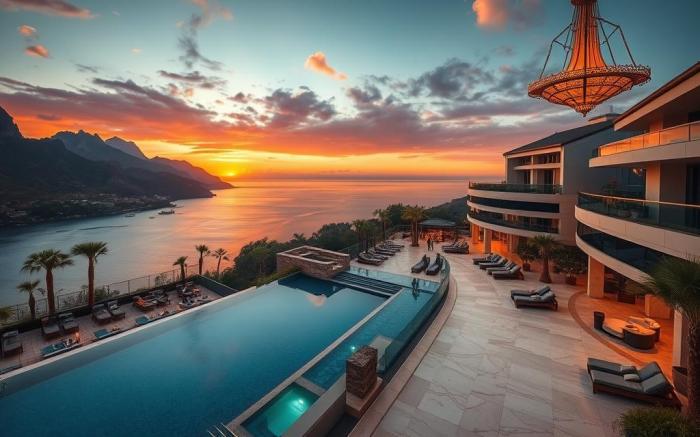
Source: googleapis.com
As we look ahead to the future of lobby designs, it is clear that innovation and adaptability will be at the forefront. The next decade promises to bring advancements that prioritize not only aesthetics but also technology, sustainability, and guest engagement. With the rapid evolution of design trends and consumer expectations, hotel lobbies will likely transform into multifunctional spaces that cater to a diverse array of needs.One of the most significant influences on future lobby designs will be the integration of virtual and augmented reality.
These technologies hold the potential to enhance the guest experience by offering immersive environments and interactive elements. Imagine walking into a hotel lobby where digital art installations respond to your presence, or where augmented reality features allow guests to explore local attractions through virtual tours embedded within the lobby space.
Technological Innovations in Lobby Design
As technology continues to evolve, several innovations are expected to reshape lobby design. These changes will focus on enhancing aesthetic appeal while improving functionality and guest experience. Key innovations include:
- Interactive Displays: Touchscreen technology and interactive displays will allow guests to navigate hotel services, access local information, and even book amenities directly from the lobby.
- Smart Furniture: Incorporating smart technology into lobby seating and surfaces will provide guests with charging stations and connectivity options, enhancing convenience and comfort.
- Virtual Reality Experiences: Lobbies may incorporate VR stations where guests can immerse themselves in virtual tours of the hotel and surrounding attractions, making the check-in experience more engaging.
- Sustainable Materials: As environmental awareness grows, future lobbies will likely feature eco-friendly materials and designs that reflect a commitment to sustainability while maintaining luxury aesthetics.
The emphasis on technology will not only create visually compelling environments but also streamline operations and improve overall guest satisfaction.
“The future of lobby designs will be a fine blend of comfort, technology, and sustainability, creating spaces that resonate with modern travelers.”
In addition to technology, lobbies are expected to evolve into multipurpose spaces that serve various functions. They may transform into social hubs, co-working areas, or even event spaces that accommodate both leisure and business travelers. This shift will also reflect a broader cultural trend of blending work and leisure, especially in a post-pandemic world where the boundaries between these domains have blurred.The next decade will likely see lobbies that prioritize wellness and community as well.
Incorporating natural elements such as greenery, water features, and natural lighting will not only beautify the space but also promote a sense of tranquility and connection to nature. Lobbies may feature community art installations or local artisans, creating a sense of place and belonging for both guests and local residents alike.As we advance into the future, the evolution of lobby designs will harmonize cutting-edge technology, eco-conscious practices, and a focus on human experience, setting a new standard for hospitality environments.
Closing Summary
In summary, the exploration of Hotels With the Most Impressive Lobby Designs reveals a dynamic interplay between art, culture, and innovation. Each lobby tells a story, showcasing the hotel’s character while providing a welcoming atmosphere for guests. As we look to the future, it’s clear that the evolution of these spaces will continue to reflect changing trends and values in the hospitality industry, ensuring that first impressions remain as captivating as ever.
Questions and Answers: Hotels With The Most Impressive Lobby Designs
What makes a hotel lobby impressive?
An impressive hotel lobby often features unique architectural elements, luxurious materials, and a welcoming atmosphere that creates a strong first impression for guests.
How do cultural influences shape lobby designs?
Cultural influences are reflected in lobby designs through the use of local art, materials, and architectural styles that embody the history and culture of the location.
Are there specific trends in lobby design currently?
Current trends include the integration of technology, an emphasis on sustainability, and open layouts that encourage social interaction among guests.
How do budget hotels approach lobby design?
Budget hotels often focus on functional design that maximizes space while maintaining a clean and welcoming appearance to ensure comfort for guests.
What are common challenges in lobby design?
Common challenges include balancing aesthetics with functionality, navigating space limitations, and ensuring that the lobby meets the needs of diverse guests.